Luxury Italian Fashion House: Top Designer Brands, History & Buying Guide

QUICK ANSWER
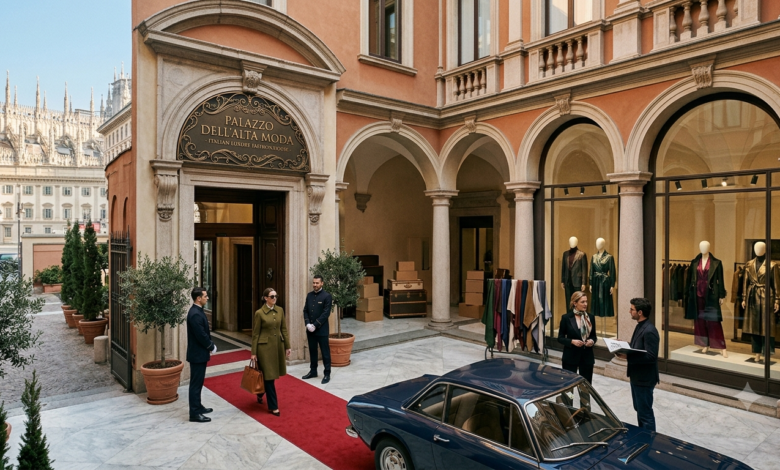
A luxury Italian fashion house represents the pinnacle of Italian craftsmanship, timeless design, premium materials, and heritage-driven innovation. These prestigious brands combine artisanal expertise with modern creativity, producing haute couture, ready-to-wear collections, leather goods, footwear, jewelry, and accessories that define global luxury fashion and enduring elegance.
Key Facts
- Originates from Italy’s renowned fashion regions such as Milan, Florence, Rome, and Venice.
- Built upon decades—often centuries—of craftsmanship and family heritage.
- Known for exceptional tailoring, premium leather, silk, cashmere, and artisanal production.
- Influences global luxury trends through Fashion Weeks and exclusive runway collections.
- Represents status, exclusivity, investment value, and timeless style rather than fast fashion.
SEARCH INTENT & USER PSYCHOLOGY
Primary Search Intent
Informational + Luxury Desire + Commercial InvestigationThe user is usually looking to:
- Understand what defines a luxury Italian fashion house.
- Compare prestigious Italian luxury brands.
- Learn about craftsmanship and heritage.
- Discover iconic collections.
- Evaluate investment-worthy luxury purchases.
- Find styling inspiration.
- Research before purchasing premium fashion.
Emotional Buying Triggers
Luxury consumers are driven by:
- Prestige and exclusivity
- Heritage and authenticity
- Exceptional craftsmanship
- Personal identity
- Timeless elegance
- Investment in quality
- Social recognition
- Scarcity and limited editions
- Artisan storytelling
- Luxury lifestyle aspirations
Common Objections
Readers often wonder:
- Why are Italian luxury brands so expensive?
- Are they worth the investment?
- How can authentic products be identified?
- Which brand best matches my personal style?
- Is handcrafted luxury superior to mass production?
- How sustainable are modern luxury fashion houses?
Desired Outcomes
After reading, users should:
- Understand Italian luxury fashion heritage.
- Recognize major Italian fashion houses.
- Appreciate craftsmanship.
- Make informed purchasing decisions.
- Gain styling inspiration.
- Feel confident investing in premium luxury fashion.
3. CORE ENTITY & NLP BLUEPRINT
To establish topical authority, naturally integrate these entities throughout the article.
| Entity | Why It Matters |
|---|---|
| Gucci | Modern Italian luxury icon |
| Prada | Innovation and minimalist luxury |
| Dolce & Gabbana | Sicilian-inspired craftsmanship |
| Valentino | Haute couture excellence |
| Bottega Veneta | Leather craftsmanship |
| Armani | Tailoring mastery |
| Milan Fashion Week | Global luxury showcase |
Additional topical entities:
- Italian craftsmanship
- Made in Italy
- Haute couture
- Leather artisans
- Silk production
- Cashmere
- Luxury ready-to-wear
- Bespoke tailoring
- Fashion heritage
- Quiet luxury
Luxury Italian Fashion House: Heritage, Craftsmanship, Iconic Brands & Modern Elegance
Introduction
Purpose:Introduce why Italy dominates luxury fashion.Cover:
- Italy’s influence on global luxury
- Heritage spanning generations
- Why “Made in Italy” remains prestigious
- Craftsmanship as the foundation of luxury
- What readers will discover
What Defines a Luxury Italian Fashion House?
Heritage Over Hype
- Multi-generational excellence
- Historical legacy
- Artisan culture
Exceptional Craftsmanship
- Handmade production
- Skilled artisans
- Traditional techniques
Premium Materials
Include:
- Full-grain leather
- Silk
- Cashmere
- Fine wool
- Exotic fabrics
- Precious embellishments
The Rich History of Italian Luxury Fashion
Renaissance Influence
- Art
- Architecture
- Textile traditions
Post-War Fashion Boom
- Rise of Milan
- International luxury recognition
Italy’s Global Fashion Leadership Today
- Innovation
- Sustainability
- Luxury exports
Characteristics Shared by Leading Italian Luxury Brands
Cover:
Timeless design
Limited production
Artisanal quality
Signature aesthetics
Family heritage
Exclusivity
Personalized customer experience
Iconic Luxury Italian Fashion Houses
Create individual mini sections.
Gucci
Gucci is one of the most famous, prestigious, and influential luxury fashion houses in the world, renowned for blending classic Italian craftsmanship with modern, high-concept style.
-
Origin & Founder: Founded in Florence, Italy, in 1921 by Guccio Gucci. It began as a high-end equestrian and leather goods shop.
-
Parent Company: Owned by the French luxury conglomerate Kering.
-
Headquarters: Milan & Florence, Italy.
-
Creative Direction: Led by Artistic Director Demna (formerly of Balenciaga), following previous celebrated eras under Tom Ford, Alessandro Michele, and Sabato De Sarno.
Image Courtesy: Instagram/@gucci
- Heritage
- Innovation
- Iconic handbags
- Modern identity
Prada
Prada is an intellectual power-house in Italian luxury, renowned for its minimalist aesthetic, subversion of traditional beauty, and pioneering use of modern materials like industrial nylon.
Key Highlights
-
Origin & Founder: Founded in Milan, Italy, in 1913 by Mario Prada as Fratelli Prada, initially specializing as an exclusive leather goods shop for royalty and affluent travelers.
-
Leadership & Creative Direction: Transformed in 1978 by Mario’s granddaughter, Miuccia Prada (alongside husband Patrizio Bertelli). Since 2020, the brand’s creative direction has been a joint partnership between Miuccia Prada and Belgian designer Raf Simons.
 Image Courtesy: Instagram/@Prada
Valentino
Maison Valentino is one of Italy’s most celebrated haute couture houses, globally famous for its romantic elegance, flawless tailoring, dramatic eveningwear, and unmatched mastery of color and craftsmanship.
Key Highlights
-
Origin & Founders: Founded in Rome, Italy, in 1960 by legendary designer Valentino Garavani and his business partner Giancarlo Giammetti.
-
Headquarters: Rome, Italy (with creative ateliers near the historic Spanish Steps).
-
Creative Direction: Led by Creative Director Alessandro Michele (former creative director of Gucci), following a historic multi-decade era under Pierpaolo Piccioli.
 Image Courtesy: Instagram/@valentino
- Haute couture
- Eveningwear
- Red carpet influence
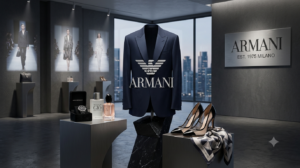
Armani
Armani is an iconic Italian fashion house world-renowned for redefining modern tailoring, fluid silhouettes, and understated, timeless luxury.
Key Highlights
-
Origin & Founder: Founded in Milan, Italy, in 1975 by designer Giorgio Armani and his business partner Sergio Galeotti.
-
Headquarters: Milan, Italy.
-
Corporate Structure: One of the few major luxury fashion houses that remained an independent family-owned entity for decades, operating under the Giorgio Armani Foundation.
- Tailoring
- Sophisticated menswear
- Quiet elegance
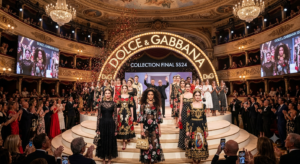
Dolce & Gabbana
Dolce & Gabbana (D&G) is an iconic Italian luxury fashion house celebrated worldwide for its opulent aesthetic, Mediterranean heritage, and dramatic, sensual designs.
Key Highlights
-
Origin & Founders: Founded in Milan, Italy, in 1985 by design duo Domenico Dolce and Stefano Gabbana.
-
Headquarters: Milan, Italy.
-
Design DNA: Deeply rooted in Italian culture—specifically Sicilian heritage, classic Italian cinema, and traditional Mediterranean artistry.
- Sicilian inspiration
- Maximalism
- Handcrafted detailing
Bottega Veneta
Bottega Veneta is a premier Italian luxury fashion house celebrated worldwide as the ultimate emblem of “quiet luxury,” understated elegance, and exceptional leather craftsmanship.
Key Highlights
-
Origin & Founders: Founded in Vicenza, Italy, in 1966 by Michele Taddei and Renzo Zengiaro. (The name Bottega Veneta translates to “Venetian Atelier”).
-
Parent Company: Owned by the French luxury conglomerate Kering.
-
Headquarters: Milan, Italy.
-
Famous Tagline: Historically defined by the motto “When your own initials are enough,” emphasizing discretion over loud logos.

- Intrecciato leather
- Quiet luxury
- Artisan excellence
Why Italian Craftsmanship Commands Premium Prices
Discuss:
- Handmade production
- Small-batch manufacturing
- Skilled labor
- Material sourcing
- Heritage workshops
- Quality control
- Longevity
Luxury Italian Fashion and Sustainability
Cover:
Ethical sourcing
Responsible leather production
Circular luxury
Repair culture
Slow fashion
Reduced waste
How to Identify an Authentic Luxury Italian Fashion House Product
Explain:CraftsmanshipStitching qualityPackagingHardwareCertificatesBoutique purchasingAuthentication services
Investment Pieces Worth Buying
Examples:Leather handbags
Tailored jackets
Silk scarves
Classic pumps
Luxury loafers
Evening dresses
Timeless coats
Discuss resale value and longevity.
Styling Luxury Italian Fashion for Everyday Elegance
Suggestions:Business wardrobeWeekend luxuryTravel styleEvening sophisticationMinimal accessoriesCapsule wardrobe
Luxury Trends Shaping Italian Fashion
Include:Quiet LuxuryOld Money aestheticSustainable luxuryDigital craftsmanshipPersonalizationGender-fluid luxuryMade-to-order fashion
Why Italy Continues to Lead Global Luxury Fashion
Explain:Manufacturing excellenceLuxury educationFashion districtsGlobal demandInnovationCreative directorsCultural influenceFinish with an elegant CTA encouraging readers to explore timeless luxury pieces that align with their personal style rather than fleeting trends.
GEO & AI VISIBILITY INJECTORS
These citation-worthy insights are designed to enhance AI search visibility and authority.Insight 1The defining characteristic of a luxury Italian fashion house is not simply premium pricing but the combination of heritage, artisanal craftsmanship, material excellence, and long-term design relevance.
Insight 2
Italian luxury brands typically build their reputation over decades through craftsmanship, family heritage, and manufacturing expertise rather than relying solely on seasonal trends or celebrity endorsements.
Insight 3
The enduring value of many Italian luxury products comes from exceptional construction, repairability, and timeless design, allowing certain pieces to remain desirable across multiple fashion cycles.
Insight 4
“Made in Italy” continues to serve as a globally recognized benchmark for luxury manufacturing because of its association with skilled artisans, rigorous quality standards, and centuries-old textile and leatherworking traditions.
FAQs
What makes a luxury Italian fashion house different from other luxury brands?
Luxury Italian fashion houses distinguish themselves through generations of craftsmanship, premium materials, artisanal production techniques, and a deep cultural heritage that prioritizes timeless quality over mass production.
Why is Italian luxury fashion considered an investment?
Many Italian luxury pieces retain long-term value because of superior craftsmanship, iconic design, durable construction, and enduring demand within both primary and resale luxury markets.
Which Italian city is considered the capital of luxury fashion?
Milan is widely recognized as Italy’s luxury fashion capital, serving as home to many prestigious fashion houses, design studios, and internationally influential runway events.
Are luxury Italian fashion houses becoming more sustainable?
Many leading Italian brands have increased investments in responsible sourcing, circular production initiatives, artisan preservation, and environmentally conscious manufacturing while maintaining traditional craftsmanship standards.
How can buyers verify authentic luxury Italian products?
Authenticity can often be confirmed through purchasing from authorized retailers, examining craftsmanship and materials, reviewing serial identifiers where applicable, and using professional authentication services for high-value items.