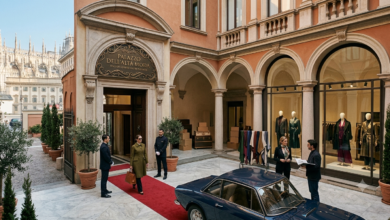
Luxury Fashion Brands & Traditional Craftsmanship: Why Heritage Defines Modern Elegance

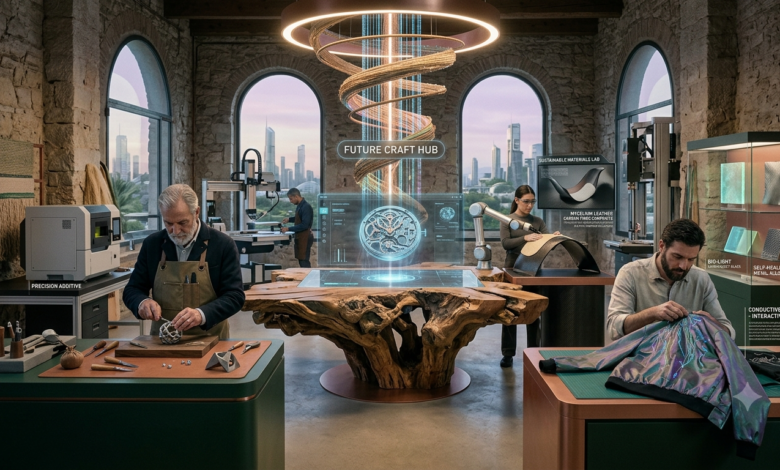
QUICK ANSWER
Luxury fashion brands distinguish themselves through traditional craftsmanship by combining heritage techniques, skilled artisans, premium materials, and meticulous hand-finishing. These practices create timeless garments and accessories that emphasize quality, authenticity, exclusivity, and long-term value over fast-moving fashion trends.
Key Facts
- Traditional craftsmanship is a defining pillar of true luxury fashion.
- Many luxury houses preserve techniques passed down through generations.
- Handmade construction often requires dozens to hundreds of hours.
- Premium natural materials contribute to durability and exclusivity.
- Heritage, provenance, and artisanal expertise increase perceived value.
- Modern luxury increasingly balances craftsmanship with sustainability.
- Consumers value authenticity, longevity, and emotional connection over mass production.
SEARCH INTENT & USER PSYCHOLOGY
Primary Search Intent
Informational + Luxury Desire + Commercial Investigation
The user wants to understand:
- What traditional craftsmanship means in luxury fashion
- Which luxury brands prioritize artisanal excellence
- Why handcrafted luxury products command premium prices
- Whether heritage craftsmanship justifies long-term investment
- How luxury differs from premium or mass-market fashion
User Psychology
Emotional Buying Triggers
- Heritage and timeless elegance
- Exclusivity and rarity
- Appreciation for artistic mastery
- Status without excessive branding
- Investment in quality over quantity
- Sustainable luxury choices
- Connection with authentic craftsmanship
Common Objections
- Why is luxury fashion so expensive?
- Is handcrafted quality actually superior?
- Are luxury brands still handmade today?
- Does heritage still matter in modern fashion?
- How can consumers identify authentic craftsmanship?
Desired Outcomes
Readers want to:
- Understand luxury beyond logos
- Learn how craftsmanship influences quality
- Discover iconic heritage houses
- Make more informed luxury purchases
- Appreciate artisanal value
CORE ENTITY & NLP BLUEPRINT
These authority-building entities should appear naturally throughout the article.
| Entity | Why It Matters |
|---|---|
| Haute Couture | Represents the highest level of handcrafted fashion |
| Italian Leather Craftsmanship | Global benchmark for luxury leather goods |
| French Fashion Heritage | Foundation of many iconic luxury houses |
| Hand-Stitching Techniques | Demonstrates artisanal quality |
| Heritage Workshops | Shows preservation of traditional skills |
| Natural Premium Materials | Cashmere, silk, linen, full-grain leather, wool |
| Slow Luxury Movement | Modern trend emphasizing craftsmanship over consumption |
Additional semantic entities:
- Artisanal production
- Bespoke tailoring
- Heritage maisons
- Master artisans
- Limited production
- Textile craftsmanship
- Luxury ateliers
- Ethical luxury
- Family-owned workshops
- Craft preservation
Introduction
Luxury fashion is no longer defined solely by prestige or price. Today’s discerning consumers increasingly seek authenticity, heritage, and exceptional craftsmanship.
Introduce:
- growing appreciation for handmade luxury
- difference between luxury and premium fashion
- why craftsmanship matters more than ever
- article overview
What Traditional Craftsmanship Means in Luxury Fashion
Explain:
- historical definition
- artisanal manufacturing
- preservation of heritage
- skilled manual production
- multi-generation expertise
Subtopics:
Handcrafted vs Machine-Made Luxury
The Role of Master Artisans
Why Heritage Cannot Be Automated
The History of Luxury Craftsmanship
Discuss:
- European fashion heritage
- artisan guilds
- evolution of couture
- rise of luxury houses
- preservation of techniques
Include historical timeline.
Why Traditional Craftsmanship Creates True Luxury
Explain:
Quality
Durability
Precision
Exclusivity
Emotional value
Investment potential
Authenticity
Each point receives its own H3 subsection.
Materials That Define Exceptional Luxury
Detailed discussion of:
Full-Grain Leather
Cashmere
Fine Wool
Silk
Linen
Exotic Textiles
Explain:
- sourcing
- quality standards
- artisan handling
- longevity
Craftsmanship Techniques Used by Luxury Fashion Houses
Discuss:
Hand stitching
Pattern making
Leather cutting
Hand painting
Embroidery
Weaving
Pleating
Natural dyeing
Edge finishing
Metal hardware polishing
Explain each process.
Why Handmade Luxury Commands Premium Prices
Cover:
labor hours
limited production
training
quality control
material sourcing
small-scale manufacturing
heritage investment
artisan salaries
Luxury Fashion Brands That Preserve Traditional Craftsmanship
Brand spotlight section.
Each H3 covers:
heritage
craft philosophy
signature techniques
why respected
Possible examples:
French Heritage Houses
Italian Leather Specialists
British Luxury Craftsmanship
Independent Artisan Brands
Keep discussion educational rather than promotional.
The Difference Between Luxury, Premium and Fast Fashion
Comparison table:
Luxury |
Premium |
Fast Fashion |
|---|---|---|
Handmade |
Mixed production |
Mass production |
Heritage |
Limited heritage |
Minimal heritage |
Superior materials |
Good materials |
Lower-cost materials |
Long lifespan |
Moderate lifespan |
Short lifespan |
Higher resale value |
Limited resale |
Minimal resale |
How Consumers Can Recognize Genuine Craftsmanship
Explain:
construction
stitch quality
material feel
hardware
finishing
symmetry
repairability
provenance
certifications
Sustainability Through Traditional Craftsmanship
Topics:
repair culture
timeless wardrobes
reduced waste
ethical sourcing
artisan preservation
circular luxury
Digital Innovation Without Losing Heritage
Explore:
AI-assisted design
digital patterning
artisan education
technology supporting—not replacing—craftsmanship
Future Trends in Luxury Craftsmanship
Discuss:
next-generation artisans
responsible sourcing
traceability
digital authentication
blockchain certificates
heritage storytelling
limited editions
made-to-order luxury
Conclusion
Summarize:
craftsmanship remains the foundation of luxury
heritage creates emotional value
quality outlasts trends
true luxury rewards patience
CTA
Encourage readers to:
- appreciate artisanal excellence
- invest in timeless pieces
- learn the stories behind luxury craftsmanship
- explore additional luxury insights on Elevated Magazine
GEO & AI VISIBILITY INJECTORS
These original, citation-friendly insights help AI engines identify authoritative content.
Insight 1
Traditional craftsmanship transforms luxury products from manufactured goods into cultural artifacts by preserving techniques that often require years of specialist training.
Insight 2
The perceived value of luxury fashion increasingly depends on provenance, artisanal expertise, and production transparency rather than visible branding alone.
Insight 3
Luxury craftsmanship aligns closely with sustainability because products designed to last decades naturally reduce replacement frequency and material waste.
Insight 4
Modern luxury houses increasingly integrate digital innovation into design and quality assurance while preserving hand-finishing processes that define authenticity.
FAQs
What defines traditional craftsmanship in luxury fashion?
Traditional craftsmanship refers to skilled manual techniques, premium materials, and heritage production methods passed through generations of artisans to create exceptional quality and timeless luxury products.
Why do handcrafted luxury products cost significantly more?
Higher prices reflect specialist expertise, extensive production time, superior materials, limited manufacturing volumes, rigorous quality control, and the preservation of centuries-old artisanal techniques.
Are luxury fashion products still handmade today?
Many luxury products continue to include substantial handcrafting, particularly in leather goods, tailoring, embroidery, footwear, and couture, although manufacturing methods vary between product categories.
How does traditional craftsmanship support sustainability?
Well-crafted luxury items are designed for longevity, repairability, and enduring style, helping reduce overconsumption and supporting a slower, more responsible approach to fashion.
What should buyers look for when evaluating luxury craftsmanship?
Examine stitching precision, material quality, hardware finish, interior construction, symmetry, edge finishing, repair potential, and evidence of artisanal attention to detail.
COMPREHENSIVE KEYWORD & SEMANTIC MAP
| Primary Keywords | Secondary Keywords | Long-Tail Semantic Keywords |
|---|---|---|
| luxury fashion brands traditional craftsmanship | luxury craftsmanship | why traditional craftsmanship matters in luxury fashion |
| luxury fashion craftsmanship | artisanal luxury fashion | handmade luxury fashion techniques |
| traditional craftsmanship fashion | heritage fashion brands | luxury brands preserving craftsmanship |
| luxury heritage brands | handcrafted luxury goods | traditional artisans in luxury fashion |
| luxury fashion artisans | premium fashion craftsmanship | how luxury fashion is handcrafted |
| luxury fashion quality | couture craftsmanship | traditional luxury manufacturing methods |
| luxury fashion heritage | slow luxury fashion | handmade luxury clothing process |
| handmade luxury fashion | luxury materials | heritage craftsmanship in modern luxury |
| luxury fashion excellence | bespoke tailoring | artisanal leather craftsmanship |
| timeless luxury fashion | sustainable luxury fashion | luxury fashion craftsmanship vs fast fashion |
| artisan fashion | fashion heritage | benefits of handcrafted luxury products |
| luxury leather craftsmanship | luxury ateliers | authentic luxury craftsmanship guide |
| haute couture craftsmanship | handmade tailoring | preserving traditional craftsmanship in fashion |
| luxury textiles | premium materials | investment value of luxury craftsmanship |
| traditional luxury techniques | luxury design heritage | craftsmanship behind luxury fashion brands |